Class 5 Gravel Calculator
One cubic yard of compacted class 5 weighs about 1.7–2.1 tons. This calculator uses 2,400 kg/m³, about 2.0 tons per cubic yard and 2.4 tonnes per cubic meter.
Last updated .
Scroll down to find the shape of your choice
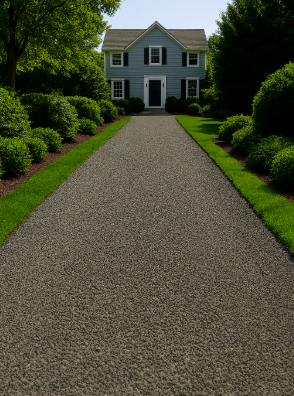
Class 5 Gravel Calculator – Straight Path
Width
Calculation is based on average density of 2400 kg/m³.
Calculation Results
Gravel Volume
0.00 m³
Gravel Weight
0.00 t
Cubic yards
0.00 yd³
Cubic meters
0.00 m³
Tons (2,000 lb)
0.00 tons
Bags (0.5 ft³)
0
Converted from the volume and density already used above. Tons are US short tons. Bags are 0.5 cubic foot retail bags, rounded up.
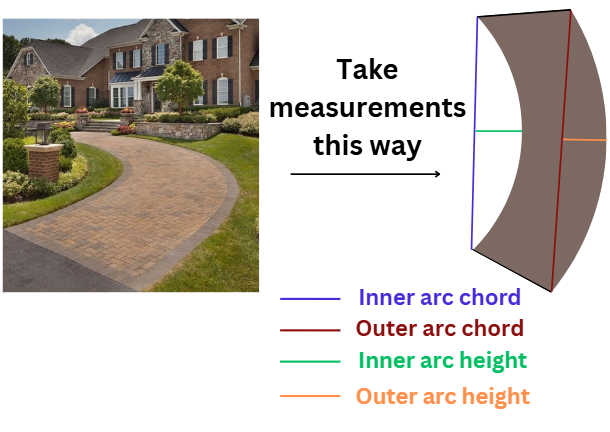
Class 5 Gravel Calculator – Curved Path
Calculation is based on average density of 2400 kg/m³.
Calculation Results
Gravel Volume
0.00 m³
Gravel Weight
0.00 t
Cubic yards
0.00 yd³
Cubic meters
0.00 m³
Tons (2,000 lb)
0.00 tons
Bags (0.5 ft³)
0
Converted from the volume and density already used above. Tons are US short tons. Bags are 0.5 cubic foot retail bags, rounded up.
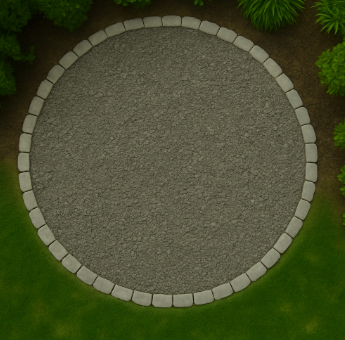
Class 5 Gravel Calculator for Circular Area
Calculation is based on average density of 2400 kg/m³.
Calculation Results
Gravel Volume
0.00 m³
Gravel Weight
0.00 t
Cubic yards
0.00 yd³
Cubic meters
0.00 m³
Tons (2,000 lb)
0.00 tons
Bags (0.5 ft³)
0
Converted from the volume and density already used above. Tons are US short tons. Bags are 0.5 cubic foot retail bags, rounded up.
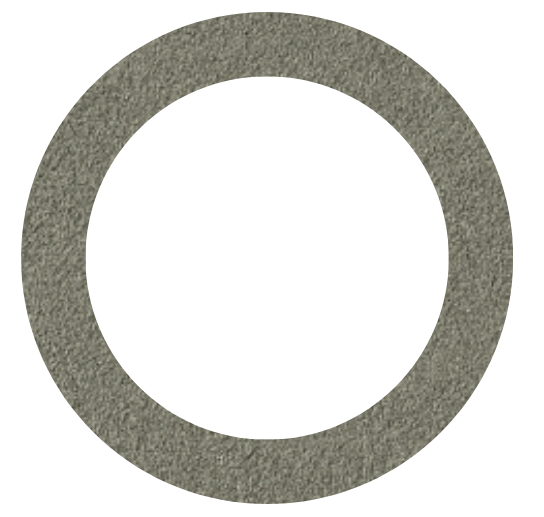
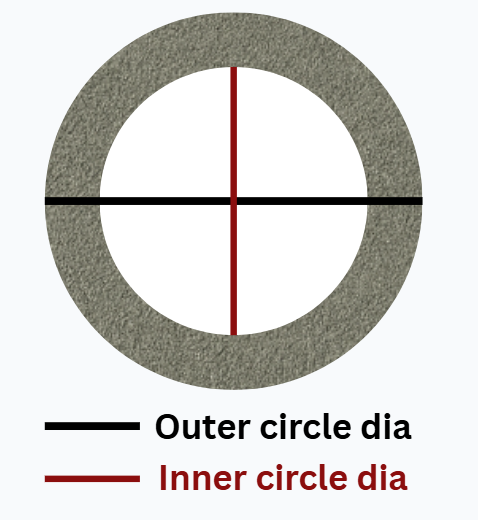
Annular Ring Path Class 5 Gravel Calculator
Calculation is based on average density of 2400 kg/m³.
Calculation Results
Gravel Volume
0.00 m³
Gravel Weight
0.00 t
Cubic yards
0.00 yd³
Cubic meters
0.00 m³
Tons (2,000 lb)
0.00 tons
Bags (0.5 ft³)
0
Converted from the volume and density already used above. Tons are US short tons. Bags are 0.5 cubic foot retail bags, rounded up.
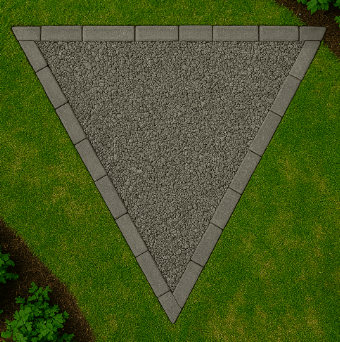
Triangular Class 5 Gravel Volume Calculator
Weight is calculated on the average pea gravel density of 2400 kg/m³. You can always enter the density manually for customized calculations.
Calculation Results
Gravel Volume
0.00 m³
Gravel Weight
0.00 t
Cubic yards
0.00 yd³
Cubic meters
0.00 m³
Tons (2,000 lb)
0.00 tons
Bags (0.5 ft³)
0
Converted from the volume and density already used above. Tons are US short tons. Bags are 0.5 cubic foot retail bags, rounded up.
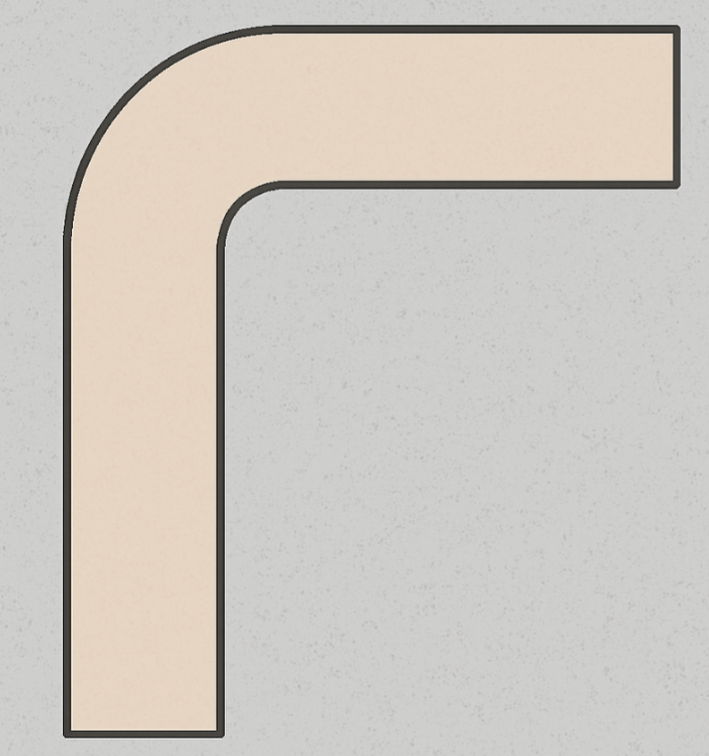
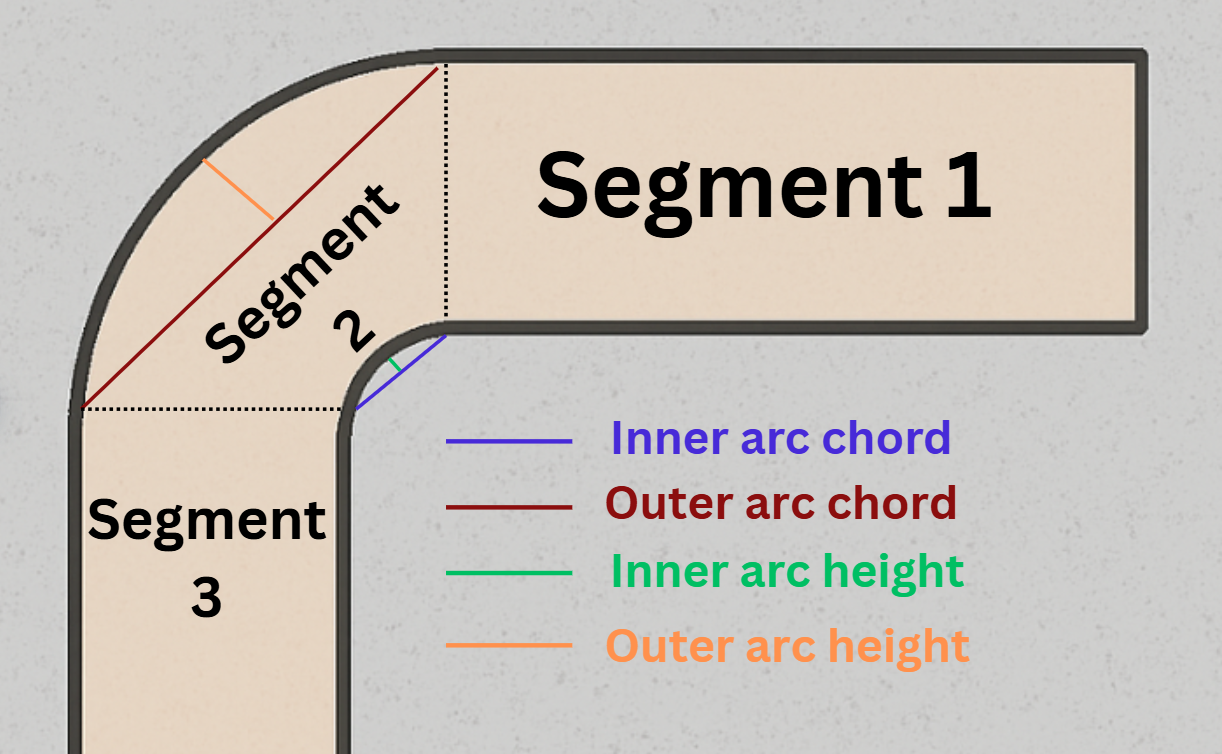
L‑Shape Walkway Gravel Calculator (Curved Corner)
First Straight Path (Segment 1)
Curved Path (Segment 2)
Second Straight Path (Segment 3)
Calculation is based on average density of 2400 kg/m³.
Calculation Results
Total Gravel Volume
0.00 m³
Total Gravel Weight
0.00 t
Cubic yards
0.00 yd³
Cubic meters
0.00 m³
Tons (2,000 lb)
0.00 tons
Bags (0.5 ft³)
0
Converted from the volume and density already used above. Tons are US short tons. Bags are 0.5 cubic foot retail bags, rounded up.
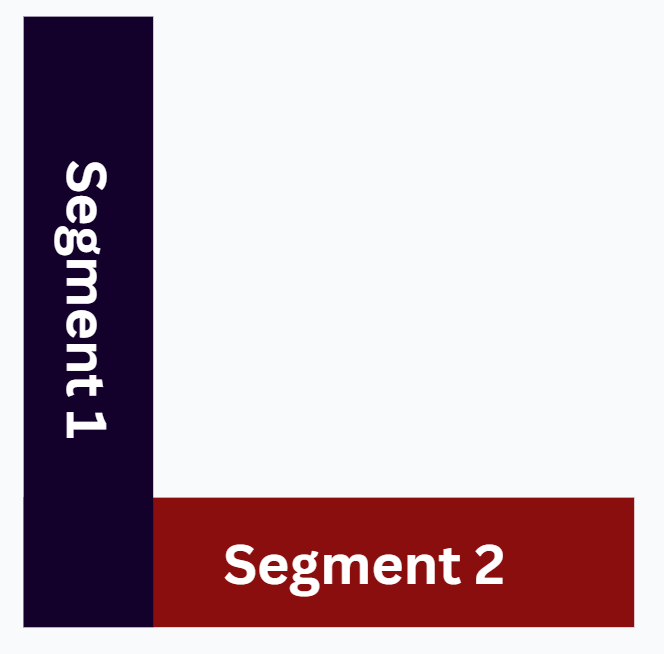
Simple L‑Shape Walkway Gravel Calculator
First Straight Segment
Second Straight Segment
Calculation is based on average density of 2400 kg/m³.
Calculation Results
Total Gravel Volume
0.00 m³
Total Gravel Weight
0.00 t
Cubic yards
0.00 yd³
Cubic meters
0.00 m³
Tons (2,000 lb)
0.00 tons
Bags (0.5 ft³)
0
Converted from the volume and density already used above. Tons are US short tons. Bags are 0.5 cubic foot retail bags, rounded up.

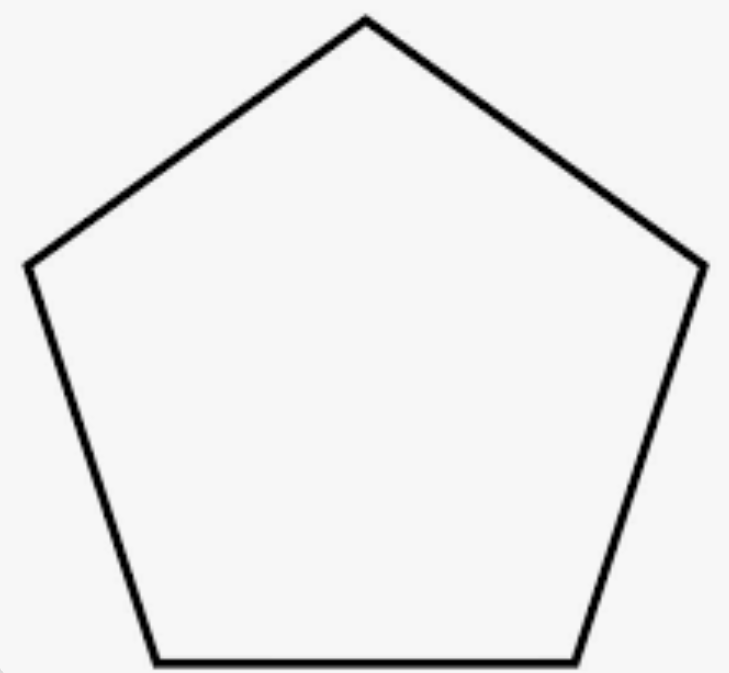
Pentagon Shed Foundation Calculator
Weight is calculated on the average pea gravel density of 2400 kg/m³. You can always enter the density manually for customized calculations.
Calculation Results
Gravel Volume
0.00 m³
Gravel Weight
0.00 t
Cubic yards
0.00 yd³
Cubic meters
0.00 m³
Tons (2,000 lb)
0.00 tons
Bags (0.5 ft³)
0
Converted from the volume and density already used above. Tons are US short tons. Bags are 0.5 cubic foot retail bags, rounded up.
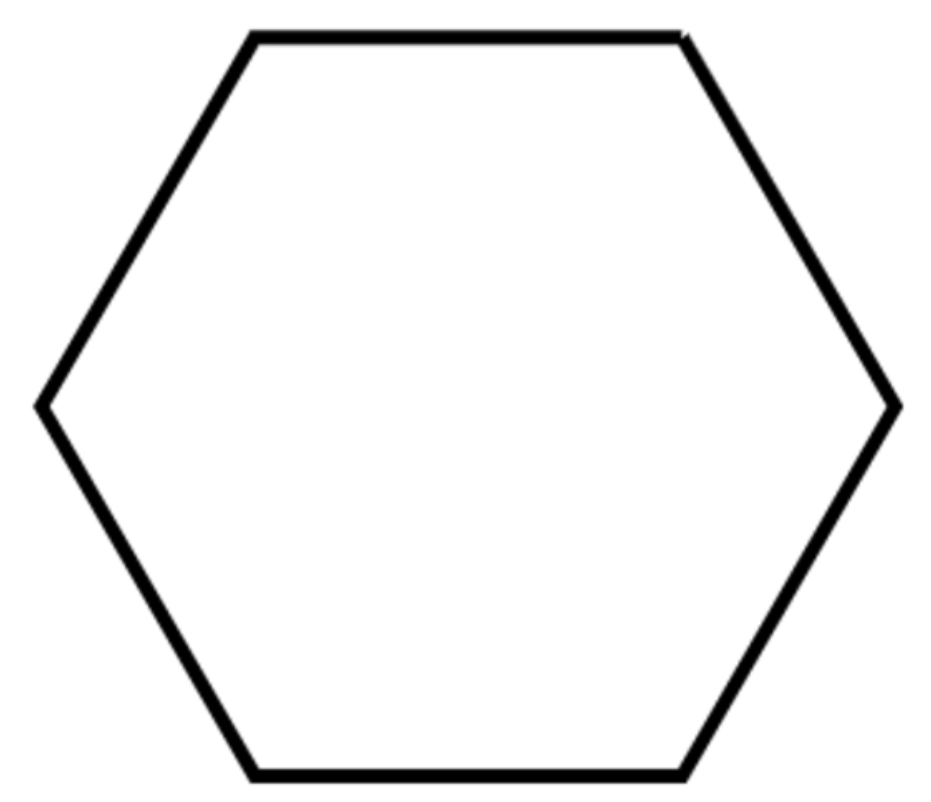
Hexagon Shed Foundation Calculator
Weight is calculated on the average pea gravel density of 2400 kg/m³. You can always enter the density manually for customized calculations.
Calculation Results
Gravel Volume
0.00 m³
Gravel Weight
0.00 t
Cubic yards
0.00 yd³
Cubic meters
0.00 m³
Tons (2,000 lb)
0.00 tons
Bags (0.5 ft³)
0
Converted from the volume and density already used above. Tons are US short tons. Bags are 0.5 cubic foot retail bags, rounded up.
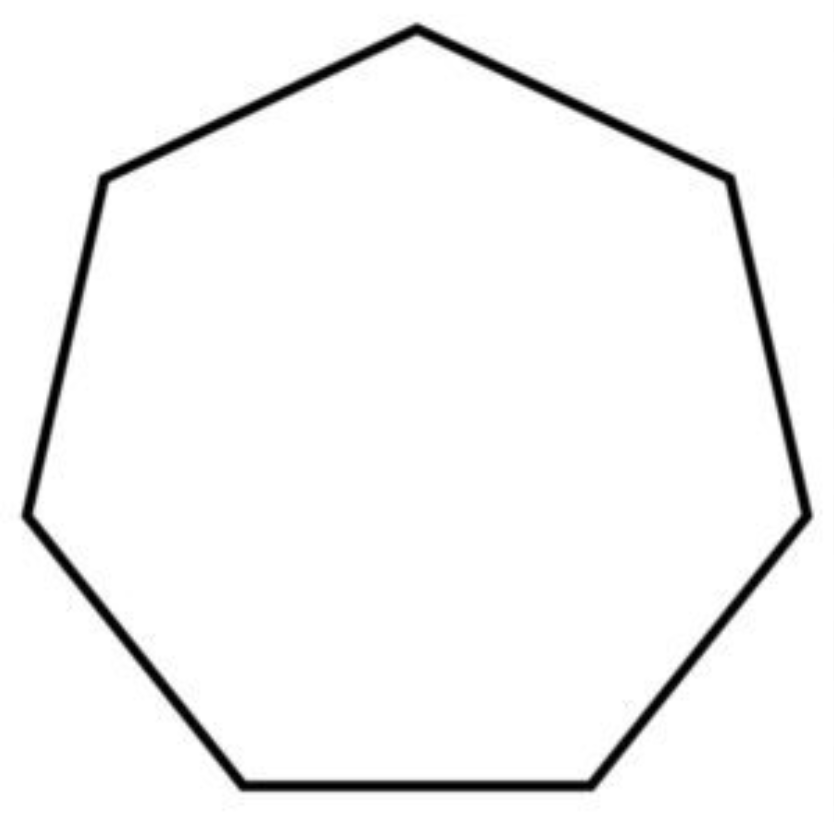
Heptagon Shed Foundation Calculator
Weight is calculated on the average pea gravel density of 2400 kg/m³. You can always enter the density manually for customized calculations.
Calculation Results
Gravel Volume
0.00 m³
Gravel Weight
0.00 t
Cubic yards
0.00 yd³
Cubic meters
0.00 m³
Tons (2,000 lb)
0.00 tons
Bags (0.5 ft³)
0
Converted from the volume and density already used above. Tons are US short tons. Bags are 0.5 cubic foot retail bags, rounded up.
Octagon Shed Foundation Calculator
Weight is calculated on the average pea gravel density of 2400 kg/m³. You can always enter the density manually for customized calculations.
Calculation Results
Gravel Volume
0.00 m³
Gravel Weight
0.00 t
Cubic yards
0.00 yd³
Cubic meters
0.00 m³
Tons (2,000 lb)
0.00 tons
Bags (0.5 ft³)
0
Converted from the volume and density already used above. Tons are US short tons. Bags are 0.5 cubic foot retail bags, rounded up.
How Does this Calculator Work?
This calculator is designed to give you accurate gravel volume and weight estimates based on the area you plan to cover. It works by first determining the total surface area of your chosen shape.
Once the area is known, the tool multiplies it by the depth of gravel you enter to get the total volume in cubic feet, cubic yards, or cubic meters.
To take it one step further, the calculator uses the standard compacted density of Class 5 gravel (about 2,400 kg/m³ or 2.0 tons per cubic yard) to convert volume into total weight. This way, you not only know how much space the gravel will fill, but also how much material you need to order in tons or kilograms. If you’re using gravel from a specific quarry or recycled source, you can adjust the density value to reflect that difference.
This entire process saves you time, money, and the hassle of over-ordering or running short.
What Is Class 5 Gravel?
Class 5 gravel is a crushed aggregate mixture made up of coarse rock fragments, fine particles, and sand. It’s most often sourced from granite, limestone, or recycled concrete and is known for its angular texture, which allows it to compact tightly. The result is a solid, stable surface that performs well under pressure.
What sets Class 5 gravel apart is its balance of strength and compaction. The larger stones provide structure, while the smaller materials fill the gaps, locking everything together once compressed. This makes it ideal for use as a base layer beneath driveways, roads, patios, and other surfaces where strength and drainage are essential.
Because of its ability to hold form under heavy loads, Class 5 gravel is a go-to choice for builders, landscapers, and homeowners preparing to pour concrete or lay pavement. It’s practical, durable, and widely available, everything you want in a construction-grade gravel.
Class 5 Material Guide
Size. Class 5 is a blend. The biggest pieces are usually about 3/4 inch or 1 inch, and the pile continues down through chips, sand, and stone dust. A handful should look mixed, not like a bucket of matching clean stones. If the product is all one size, it is a different grade.
What it is made of. Crushed limestone is the common class 5. Granite and recycled concrete are also sold under the name. Recycled class 5 can include a little brick or old asphalt, which is fine for many farm drives and a problem if a spec calls for virgin aggregate. The dust is part of the product. It is what lets the surface crust over.
Best uses. A finished gravel driveway in freeze-thaw country, the base under asphalt, shed and garage pads, farm lanes, and the compacted layer under pavers. Crown the driveway so rain runs off the surface. Four to six inches is the residential starting depth. The use list below has the depths by project.
Do not use it in a French drain, as wall backfill that is supposed to relieve water, as a decorative bed, or anywhere people walk barefoot. The fines plug the voids and the edges are sharp. Those jobs belong to #57 or clean 3/4 stone.
| Neighbor | Compared with class 5 |
|---|---|
| #57 and clean 3/4 | Open, about 1.35–1.5 tons per yard, drains, will not form a hard driveway. |
| 3/4 minus and crusher run | Same packing idea. Often a smaller top size. “Crusher run” is the quarry nickname, not a regional spec. |
| 304 limestone | Ohio’s dense-graded base for the same kind of pad. This site calculates 304 at 1,920 kg/m³, lighter than the class 5 default. |
| Pea gravel | Rounded, for walking and decoration. It rolls under tires and does not bind. |
Class 5 Weight per Cubic Yard
Supplier density sheets for compacted crushed base usually land around 1.7 to 2.1 US tons per cubic yard. Loose stone, before the plate compactor, is lighter. The 2,400 kg/m³ default on this page is the heavy end of that band: 2.40 tonnes per cubic meter and about 2.02 US tons per cubic yard, which is the “about 2 tons, or about 4,000 pounds” planning number. It is not a certificate for one quarry. If the ticket prints a different density, type that into the calculator.
| Condition | Tonnes per m³ | US tons per yd³ |
|---|---|---|
| Loose, as delivered | 1.90–2.15 | 1.60–1.81 |
| Compacted, typical sheet | 2.05–2.40 | 1.73–2.02 |
| Calculator default (2,400 kg/m³) | 2.40 | 2.02 |
The “t” menu on each calculator is metric tonnes. The tons line under the result is US short tons from the same weight. Order about 10 percent extra when the depth you measured is the finished, compacted thickness.
Class 5 Coverage and Dump-Truck Loads
Cubic yards = length (ft) × width (ft) × depth (in) ÷ 324. Tons use 2.02 tons per cubic yard so the table matches the 2,400 kg/m³ calculator, not a rounded 2.0 that would disagree with the tool. A 14-ton tandem is the middle of a typical 12–16 ton truck. Because class 5 is heavy, that truck holds only about 7 cubic yards.
| Area | Depth | Cubic yards | Cubic meters | Tons | 14-ton trucks |
|---|---|---|---|---|---|
| 10×20 ft parking | 4 in | 2.47 | 1.89 | 4.99 | part of 1 |
| 12×30 ft drive | 4 in | 4.44 | 3.40 | 8.99 | 1 |
| 12×50 ft drive | 4 in | 7.41 | 5.66 | 14.98 | 2 |
| 12×50 ft drive | 6 in | 11.11 | 8.50 | 22.47 | 2 |
| 24×40 ft yard | 6 in | 17.78 | 13.59 | 35.96 | 3 |
Worked Example: a 12×50 ft Driveway
A single-car drive, 12 feet wide and 50 feet long, at 4 inches of class 5:
- Cubic yards = 12 × 50 × 4 ÷ 324 = 7.41 yd³
- Cubic meters = 7.41 × 0.765 = 5.66 m³
- US tons at 2,400 kg/m³ = 14.98 tons (about 15 tons)
- Tonnes = 5.66 × 2.40 = 13.6 tonnes
- 0.5 ft³ bags = 200 ft³ ÷ 0.5 = 400 bags. This is a truck order.
About 15 tons is just over a 14-ton tandem, so plan on a larger truck or two smaller loads. At 6 inches the same drive is 11.11 cubic yards and about 22.5 tons. Add about 10 percent when you are buying loose gravel to finish at 4 compacted inches. The calculators report 14.98 tons and do not add that allowance. Enter 12 ft × 50 ft × 4 in on the straight-path calculator to see about 5.66 cubic meters and 14.98 tons.
What Are the Uses of Class 5 Gravel?
Class 5 gravel is trusted for its strength and compactability, making it a go-to base material for a wide range of projects. Below are common use cases along with the recommended gravel depth for each:
Driveways
Used as a sub-base beneath asphalt or as a finished gravel surface.
Recommended depth: 4 to 6 inches
Parking Pads
Supports the weight of parked vehicles without shifting or rutting. For a camper or motorhome pad, use the RV pad gravel calculator.
Recommended depth: 6 to 8 inches
Road Bases
Forms the foundational layer under paved or gravel roads.
Recommended depth: 8 to 12 inches, depending on traffic load
Utility Trenches
Backfilled around pipes or conduits to provide support and drainage.
Recommended depth: 4 to 6 inches beneath and around the utility lines
Paver Base
Serves as a compacted layer beneath pavers or stone slabs in patios and walkways.
Recommended depth: 4 to 6 inches
Garage or Shed Foundations
Levels the ground and provides a solid pad for structures.
Recommended depth: 6 to 8 inches
Sloped Paths
Maintains form and resists erosion or displacement on inclined surfaces.
Recommended depth: 4 to 5 inches
Farm Roads
Handles the weight of tractors and machinery while staying firm under wet conditions.
Recommended depth: 8 inches or more, depending on usage
Where Not to Use Class 5 Gravel
While Class 5 gravel is excellent for structural bases and compaction, it’s not suited for every type of project. Below are situations where it’s best to avoid using Class 5:
- Decorative Landscaping: Its rough, angular texture and mixed particle sizes don’t provide a clean or polished look. For aesthetics, use river rock, pea gravel, or polished stones instead.
- Playgrounds or Recreational Surfaces: The sharp edges and fine dust make it uncomfortable and potentially unsafe for areas where children play or fall.
- Drainage-Only Layers: Though it provides some drainage, the fine materials in Class 5 can clog over time. For true drainage zones, use washed rock, gravel #57, or crushed stone without fines.
- Top Layer of Gravel Driveways (Surface Course): On its own, Class 5 compacts too tightly and generates dust. For the top layer, choose a cleaner, more uniform gravel like Class 2 or ¾-inch crushed rock.
- Indoor Applications: It’s not suitable for indoor use, including under interior slabs or as a filler in basements, due to its dust and variable composition.
- Wet or Poorly Drained Soil Without a Base Layer: In areas with heavy clay or water retention, placing Class 5 directly onto the soil can lead to settling or poor stability. A geotextile layer or coarse gravel base may be required.
Tips While Using Class 5 Gravel
- Always Compact in Layers: Don’t dump all the gravel at once. Spread it in layers of 2–3 inches and compact each layer before adding the next. This ensures a tighter, more stable base.
- Use a Mechanical Compactor: A hand tamper may work for very small areas, but for anything larger, a plate compactor is essential. Proper compaction prevents settling and surface cracking later.
- Start with a Clean, Leveled Surface: Remove any soft soil, debris, or roots before placing gravel. A compacted subgrade makes the Class 5 layer more effective.
- Consider Edging for Defined Areas: For paths or patios, use edging materials like timber, metal, or concrete curbs to keep the gravel contained and prevent spreading over time.
- Moisture Helps with Compaction: Lightly spraying water during installation can help the gravel bind better, especially if the material seems dry or dusty.
- Account for Future Settlement: Leave a slight crown or elevation in the center of driveways and roads to allow for runoff and natural settling over time.
- Don't Skip a Geotextile Fabric (Optional): In soft or clay-heavy soils, laying a geotextile fabric under the gravel can prevent it from mixing with the subsoil and improve drainage.
- Let It Set Before Final Use: After installation, give the gravel a few days to settle, especially if it has been rained on or compacted, before driving or placing heavy structures on it.
Class 5 Questions
What is class 5 gravel?
Class 5 is a dense-graded crushed base, the usual driveway and road-base gravel in Minnesota and nearby states. It mixes rock from about 1 inch or 3/4 inch down through sand and stone dust so it compacts into a hard surface. It is not a clean drain stone.
How much does class 5 gravel weigh per cubic yard?
Compacted class 5 is commonly about 1.7 to 2.1 US tons per cubic yard. This calculator uses 2,400 kg per cubic meter, which is 2.40 tonnes per cubic meter and about 2.02 tons per cubic yard, near the heavy end of supplier sheets and the “about 2 tons, or about 4,000 pounds” figure people use for ordering. Loose delivered stone weighs less, so add extra if the depth you want is after compaction.
How many tons of class 5 are in a dump truck?
A small landscape truck often carries about 5 to 7 tons. A tandem is commonly about 12 to 16 tons, which is only about 6 to 8 cubic yards because class 5 is heavy. A tri-axle can be about 16 to 22 tons. A 12 by 50 foot driveway at 4 inches is about 15 tons, roughly one large tandem or two smaller trucks.
What size is class 5 gravel?
It is a blend, not one size. The largest pieces are usually about 3/4 inch or 1 inch, and the rest of the pile is smaller rock, sand, and dust. If every piece is a clean 3/4 inch chip with no fines, it is not class 5.
Is class 5 the same as 304 or crusher run?
Same job, different local name. 304 is the Ohio dense-graded base, often limestone. Crusher run is the quarry nickname for stone that still contains its dust. Class 5 is the upper-Midwest name and is often used as the finished driveway, not only as a hidden base. Do not reuse this page’s 2,400 kg per cubic meter default on a 304 order. The 304 calculator uses 1,920.
How deep should class 5 be on a driveway?
Four to six inches is the usual residential driveway. Use six to eight inches for heavier vehicles or soft ground, and eight inches or more on a farm road. Compact it in 2 to 3 inch lifts. Crown the center so water runs off, because class 5 does not drain through the way #57 does.
Can I use class 5 under pavers?
Yes, as the compacted base, commonly 4 to 6 inches, with a thinner bedding layer of concrete sand or stone dust on top for the pavers themselves. It is a poor decorative surface and a poor French-drain fill.